
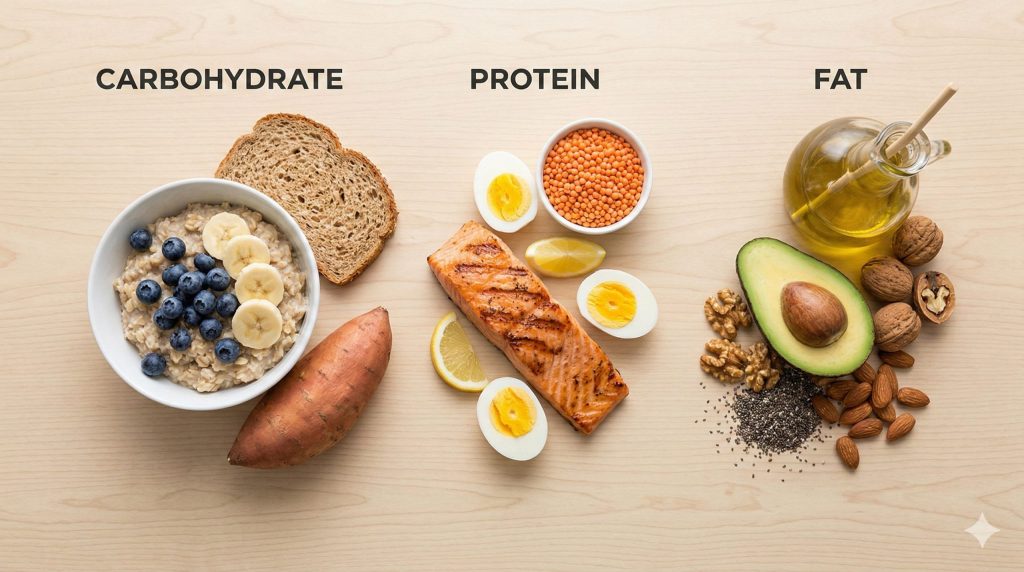
If you have ever looked at a fitness plan, downloaded a calorie-tracking app, or read a nutrition label and found yourself asking, “What are macronutrients?”, you are certainly not alone. While diet culture often overcomplicates food by focusing on restrictive rules and calorie counting, true health begins with understanding the fundamental building blocks of human nutrition.
Nutrients that our bodies require in relatively large, substantial amounts to provide energy and maintain structural integrity are called macronutrients. Answering the core question of what are macronutrients ultimately comes down to three primary categories: carbohydrates, proteins, and dietary fats.
Together, these three elements act as the premium fuel for our bodies. They provide the necessary physical energy to power our busy days, help to prevent chronic metabolic diseases, and deeply support cognitive brain function. Understanding how to balance these components is the absolute key to sustainable weight management, athletic performance, and longevity.
Here is a comprehensive, science-backed breakdown of exactly what are macronutrients, how they function on a cellular level within the human body, and how you can balance them for optimal daily health.
Carbohydrates: Your Body’s Preferred Energy Source
When people begin researching what are macronutrients, carbohydrates are usually the very first topic they encounter—and often the most misunderstood. Despite years of low-carb diet fads demonizing them, carbohydrates are the human body’s preferred and most highly efficient source of energy.
Structurally, carbohydrates are biological molecules made up of carbon, hydrogen, and oxygen atoms. After you consume carbohydrate-rich foods—whether that is a bowl of oatmeal, a crisp apple, or a slice of bread—your digestive system immediately begins breaking them down into glucose (blood sugar). This glucose is released into the bloodstream and used by your cells for quick, accessible energy. This process is especially critical for your central nervous system and brain, which rely almost entirely on a steady stream of glucose to function.
The Three Main Types of Carbohydrates
To fully grasp what are macronutrients, you must understand that not all carbohydrates are created equal. They are divided into three main classifications based on their chemical structure and how quickly the body digests them:
1. Simple Carbohydrates (Sugars) Simple carbohydrates are made of single or double sugar molecules. Because their structure is so basic, your body digests them incredibly fast, allowing them to enter your bloodstream rapidly. Common, naturally occurring examples include fruit sugar (fructose) and milk sugar (lactose). While they provide a fantastic, quick energy boost for athletes right before a workout, consuming highly processed simple sugars (like high-fructose corn syrup in sodas or refined white sugar in candy) can rapidly spike your blood sugar levels, leading to an inevitable energy crash and long-term insulin resistance.
2. Complex Carbohydrates (Starches) Complex carbohydrates consist of long, intricate chains of sugar molecules. Because their structure is much more complicated, it takes the human body significantly longer to break them down into usable glucose. This slow digestive process is incredibly beneficial: it provides you with sustained, even energy, keeps you feeling full for longer periods, and prevents wild blood sugar spikes. Excellent, nutrient-dense examples include whole grains, brown rice, quinoa, steel-cut oats, sweet potatoes, and legumes like lentils and chickpeas.
3. Dietary Fiber Fiber is a highly unique type of carbohydrate that the human gastrointestinal tract cannot fully digest or break down for cellular energy. According to Mayo Clinic, dietary fiber is essential for human health. It adds bulk to your diet to aid digestion, feeds the beneficial bacteria in your gut microbiome, regulates blood sugar spikes, and physically binds to cholesterol in the digestive tract to be eliminated. Adults should aggressively aim to include 25 to 30 grams of dietary fiber in their daily routine through fibrous vegetables, whole fruits, and grains.
Proteins: The Essential Building Blocks of Life
Another critical piece of the puzzle when learning what are macronutrients is protein. While carbohydrates provide the energy to move, protein provides the physical structure for the movement itself. Protein is essential for the growth, repair, and daily maintenance of all bodily tissues. It is responsible for building everything from your skeletal muscle and skin to your hair, nails, and vital internal organs.
On a microscopic level, dietary protein is composed of smaller, individual chemical units known as amino acids. Think of amino acids as a set of nutritional Lego blocks. There are 20 different amino acids that the human body requires to function. However, nine of these are classified as “essential amino acids.” This means your body cannot manufacture them internally out of other compounds—you must obtain them consistently through the food you eat.
Complete vs. Incomplete Proteins
Understanding protein quality is vital for building a balanced diet:
1. Complete Proteins: These are highly bioavailable foods that provide your body with all nine essential amino acids in adequate, perfectly balanced amounts. Animal sources such as lean beef, poultry, wild-caught fish, whole eggs, and dairy products are naturally complete proteins. For those on a plant-based diet, a few unique plant sources, such as quinoa, buckwheat, and soy products (like tofu, tempeh, and edamame), are also complete proteins.
2. Incomplete Proteins: These sources lack one or more of the nine essential amino acids and are typically found in the plant kingdom. Examples include black beans, lentils, nuts, seeds, and grains. In the past, nutritionists believed you had to eat incomplete proteins together in the exact same meal (such as eating rice and beans simultaneously) to make a complete protein. Modern nutritional science has debunked this myth. As long as you eat a diverse, varied array of plant proteins throughout the day, your liver will intelligently pool the necessary amino acids to build the proteins your body requires.
The Different Types of Dietary Fats
Not all fats act the same way inside your cardiovascular system. They are broken down into three main categories:
1. Unsaturated Fats (The Healthy Fats) These fats typically remain liquid at room temperature and actively support cardiovascular health by improving cholesterol profiles and reducing systemic, chronic inflammation. They are further divided into monounsaturated fats (found heavily in avocados, extra virgin olive oil, and almonds) and polyunsaturated fats (which include the highly coveted Omega-3 and Omega-6 fatty acids found in walnuts, flaxseeds, chia seeds, and fatty, cold-water fish like wild salmon and mackerel).
2. Saturated Fats Found predominantly in animal products and a select few tropical oils (like coconut oil and palm oil), saturated fats are solid at room temperature. While they are not the absolute villains they were once made out to be, they should still be eaten in moderation. Excessive consumption can raise LDL (bad) cholesterol levels. Examples include butter, ghee, fatty cuts of red meat, and full-fat cheese.
3. Trans Fats These are heavily processed, artificial fats created through a highly industrial process that adds hydrogen to liquid vegetable oils to make them solid. They are actively harmful to human biology and should be avoided entirely to reduce the risk of severe heart disease and stroke. They are often hiding in commercially deep-fried foods, margarines, and highly processed, shelf-stable baked goods.
The Synergistic Importance of Macronutrient Balance
Knowing exactly what are macronutrients is only the foundation; intentionally balancing them is where true metabolic health, disease prevention, and physical vitality begin. When you balance your intake correctly, your macronutrients work synergistically to ensure your body functions like a highly tuned machine:
Efficient Energy Production: Carbohydrates give the body quick, immediately accessible energy to power through a morning workout or a tough meeting, while healthy fats offer slow-burning, dense energy that lasts for hours, preventing mid-afternoon crashes.
Cellular Structure and Constant Repair: Proteins continuously replenish the natural, daily breakdown of cells by forming new, resilient tissue. If there is not enough protein in the diet, muscle tissue begins to aggressively deteriorate, a condition known as muscle catabolism.
Optimized Brain Function: While carbohydrates act as the main fuel source to keep the brain structurally operational, the amino acids derived from protein are actively used to create vital neurotransmitters (like dopamine and serotonin), which transmit chemical messages between brain cells to regulate mood and focus.
Hormonal Homeostasis: Dietary fats provide the essential structural fatty acids required to maintain optimal hormone balance, including the production of testosterone, estrogen, and cortisol. Furthermore, dietary fats are strictly required for the digestive tract to properly absorb and utilize fat-soluble vitamins (Vitamins A, D, E, and K).
Recommended Dietary Ranges (AMDR) for Adults
Now that you have a firm grasp on what are macronutrients, you need to know exactly how much of each to consume. The Acceptable Macronutrient Distribution Ranges (AMDR) provide a scientifically backed baseline for the average adult:
Carbohydrates: 45–65% of your total daily calories. (The main source of energy; fuels the brain and skeletal muscles).
Proteins: 10–35% of your total daily calories. (Builds and repairs structural tissues, highly specialized enzymes, hormones, and muscle mass).
Fats: 20–35% of your total daily calories. (Provides essential fatty acids, aids critical vitamin absorption, and vigorously supports cell membranes).
Special Adjustments for Specific Lifestyle Goals
Your ideal macronutrient ratio will shift depending on your specific physical goals:
For Healthy Weight Loss: Shift to 30–45% Carbs, 25–35% Protein, and 25–40% Fat. A higher protein intake heavily promotes satiety (keeping you full) and aggressively protects your lean muscle mass while you are in a necessary caloric deficit.
For Active Muscle Gain: Shift to 50–60% Carbs, 25–30% Protein, and 20–25% Fat. Building new muscle tissue is an energy-intensive process that requires a caloric surplus and plenty of carbohydrates to fuel heavy resistance training.
For Endurance Athletes: Shift to 55–65% Carbs, 15–20% Protein, and 20–30% Fat. Long-distance runners and cyclists require extra carbohydrates to constantly refill their muscular glycogen stores.
General Signs of a Macronutrient Imbalance
Ignoring the basic biological rules of what are macronutrients can quickly lead to systemic nutritional imbalances. Common, everyday signs of a poorly balanced diet include:
Persistent, unexplainable fatigue or chronic low energy upon waking.
Difficulty concentrating, forgetfulness, or severe brain fog.
Frequent, nagging hunger or intense, uncontrollable sugar cravings.
Unexplained weight gain or rapid, unhealthy weight loss.
Poor physical performance, weakness, or feeling overly sore after the gym.
Practical Tips for Maintaining Your Balance
Eat a Colorful Rainbow: Choose deeply colorful vegetables for your complex carbohydrates and fiber, lean meats or legumes for your protein, and raw nuts or healthy oils for your fat.
Utilize the Plate Method: Instead of obsessively counting calories, visually divide your plate at every meal: fill 1/4 with lean protein, 1/4 with complex whole grains, and 1/2 with fibrous vegetables and fruits.
Hydrate Properly: Make it a priority to drink 2 to 3 liters of fresh water daily. Water is a strict, non-negotiable requirement for the human digestive system to successfully break down, transport, and utilize your macronutrients.
Frequently Asked Questions (FAQ)
1. Exactly what are macronutrients, and what causes a nutritional imbalance?
Ans: Macronutrients are the large-scale nutrients—carbohydrates, proteins, and fats—that your body requires for daily energy and survival.
2. Why is it so important to learn what are macronutrients?
Ans: Understanding how these nutrients work fundamentally allows you to take active control of your daily energy levels, manage your body weight effectively, and intelligently fuel your body for long-term chronic disease prevention, rather than just blindly guessing what you should be eating.
3. Can a highly restrictive low-carbohydrate diet cause immediate health problems?
Ans: Yes. Very low carbohydrate intake can cause a severe lack of baseline energy, throbbing headaches, dizziness, irritability, and decreased exercise tolerance because you are actively depriving your body of its primary and preferred source of energy.
4. What physically happens to the body if you don’t get enough protein?
Ans: Insufficient dietary protein intake forces the body to survive by cannibalizing its own tissue, leading directly to muscle loss. It also results in incredibly slow recovery from basic illness, a highly weakened immune system, thinning hair, brittle nails, and a constantly elevated appetite as the body searches for nutrients.
5. How do I realistically fix a macronutrient imbalance?
Ans: Start by tracking your daily food and beverage intake using a free nutrition app for three days to see your baseline. From there, shift your daily focus to eating whole, single-ingredient foods, balance your plate visually at every single meal, and incorporate light daily exercise to improve your metabolic health.




3 Responses
https://shorturl.fm/pl9bK
Thank you for your comment