
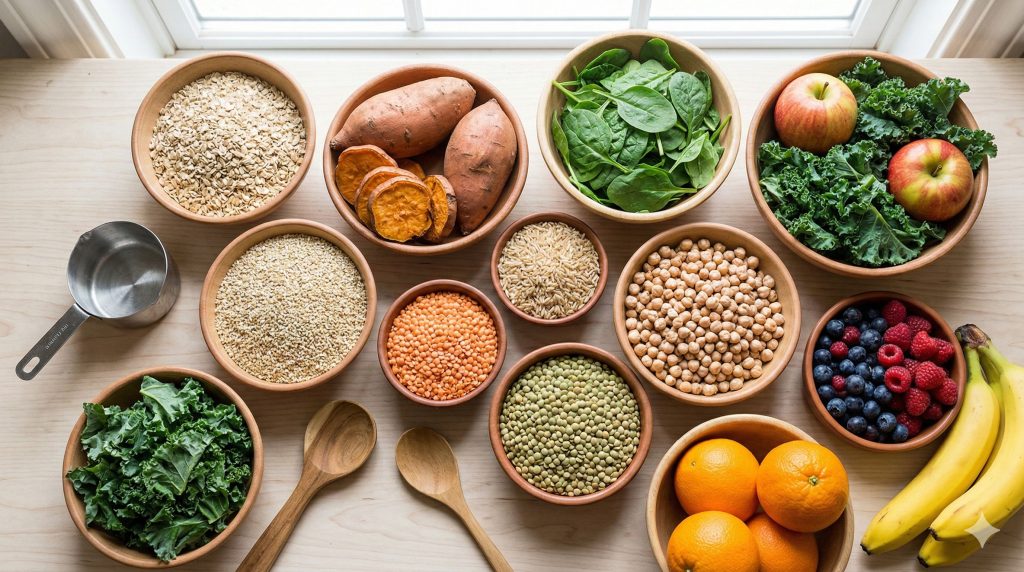
When it comes to nutrition, healthy carbohydrates are often the most misunderstood part of our daily diet. For decades, diet culture has vilified this essential macronutrient, leading many people to believe that cutting out carbs is the only path to weight management and better health. If you feel confused or anxious about whether you should be eating a bowl of oatmeal or avoiding it entirely, your feelings are completely valid.
The truth is, your body fundamentally relies on fuel to function optimally, and healthy carbohydrates are its preferred, most efficient source of energy. Rather than fearing an entire food group, the goal is to understand how to choose the right kinds of foods that nourish your body, stabilize your energy, and support your long-term wellness. In this comprehensive guide, we will break down exactly what these beneficial carbohydrates are, why your body needs them, how to separate the facts from the fads, and how to comfortably incorporate them into your daily life.
The Science of Carbohydrates: A Quick Overview
Before diving into the specifics of what makes a carbohydrate “healthy,” it helps to understand what they are on a biological level. Carbohydrates are one of the three main macronutrients found in food, alongside protein and dietary fat. When you consume carbohydrates, your digestive system breaks them down into glucose (blood sugar), which enters your bloodstream and is used by your cells, tissues, and organs for energy. Any extra glucose is stored in your liver and muscles as glycogen for later use.
Carbohydrates are generally categorized into two main groups based on their chemical structure and how quickly your body digests them:
Simple Carbohydrates: These are made of one or two sugar molecules. Because of their simple structure, the body breaks them down very quickly, leading to a rapid spike in blood sugar, followed by a sharp crash. Think of white sugar, syrups, fruit juice concentrates, and refined grains like white flour.
Complex Carbohydrates: These are made of long, complex chains of sugar molecules. Because they take much longer to break down, they provide a slow, steady release of energy. This is the category where healthy carbohydrates live.
What Exactly Are Healthy Carbohydrates?
When nutritionists and doctors talk about healthy carbohydrates, they are referring to complex carbohydrates that are still in their whole, natural, or minimally processed state. These foods are bundled with essential nutrients, vitamins, minerals, and—most importantly—dietary fiber.
Fiber is the magic component that sets healthy carbohydrates apart from their refined counterparts. It is an indigestible part of plant foods that slows down the absorption of sugar into your bloodstream. This slow digestion process is what prevents the “sugar rush” and subsequent mid-afternoon energy crash.
Furthermore, refining processes strip grains of their bran and germ, which hold the vast majority of the fiber and nutrients, leaving only the starchy endosperm. A healthy carb retains all these natural components, offering your body a complete package of nutrition.
The Core Benefits of Healthy Carbohydrates
There is a profound biological reason we naturally crave carbohydrate-rich foods—they do an incredible amount of heavy lifting to keep our bodies functioning. According to experts at the Harvard T.H. Chan School of Public Health, the quality of the carbohydrates you eat is vastly more important than the exact quantity.
Here is why incorporating healthy carbohydrates into your routine is vital for a vibrant life:
1. Superior Brain Fuel
Your brain is a highly active organ that runs almost exclusively on glucose. While your body can technically convert other macronutrients into energy in a pinch, glucose derived from healthy carbohydrates is the most efficient and preferred source. Skipping out on them can lead to brain fog, difficulty concentrating, memory issues, and irritability.
2. Sustained, Long-Lasting Energy
Because they digest slowly thanks to their high fiber content, healthy carbohydrates provide a steady, metered stream of energy. Whether you are powering through a demanding workday, chasing after kids, or hitting the gym for a tough workout, complex carbs ensure you have the stamina to get through it without hitting a wall.
3. Digestive Health and Microbiome Support
The fiber found in healthy carbohydrates is crucial for maintaining a healthy digestive tract. Insoluble fiber adds bulk to your stool, preventing constipation and promoting regular bowel movements. Soluble fiber acts as a prebiotic, feeding the beneficial bacteria in your gut microbiome. A thriving gut microbiome is linked to improved immunity, better mood regulation, and reduced inflammation.
4. Heart Health and Cholesterol Management
Certain types of fiber, particularly the soluble fiber found in oats, barley, and beans, bind to cholesterol in the digestive system and drag it out of the body before it can enter the bloodstream. Regularly eating these foods can help lower LDL (“bad”) cholesterol and reduce the overall risk of cardiovascular disease.
5. Satiety and Weight Management
One of the biggest myths in nutrition is that carbs automatically make you gain weight. In reality, the high fiber and water content in healthy carbohydrates take up physical space in your stomach. They digest slowly, keeping you feeling fuller and more satisfied for a longer period. This naturally prevents overeating and curbs the desire to snack on nutrient-void, high-calorie processed foods later in the day.
Top Sources of Healthy Carbohydrates
If you are looking to upgrade your grocery list and nourish your body, here are the most nutrient-dense healthy carbohydrates you can buy:
Whole Grains
Whole grains contain the entire grain kernel. They are incredibly versatile and can be used in almost any meal.
Oats: Specifically, steel-cut or rolled oats (avoid the heavily pre-sweetened instant packets).
Quinoa: A unique carbohydrate that is also a complete plant-based protein.
Brown and Wild Rice: Excellent bases for stir-fries and bowls.
100% Whole-Wheat Products: Look for bread, wraps, and pasta where the first ingredient is “whole wheat flour.”
Legumes
Legumes are an absolute powerhouse of nutrition. They are inexpensive, shelf-stable, and provide an excellent mix of healthy carbohydrates, protein, and massive amounts of fiber.
Lentils (green, red, or brown)
Chickpeas (garbanzo beans)
Black beans, kidney beans, and pinto beans
Edamame and peas
Starchy Vegetables
Don’t fear the potato! Root vegetables grown in the earth are fantastic sources of energy and micronutrients.
Sweet Potatoes: Rich in Vitamin A and antioxidants.
Potatoes: Regular potatoes are high in potassium and vitamin C (just bake or roast them instead of deep-frying).
Butternut Squash and Acorn Squash: Perfect for roasting in the autumn and winter.
Corn: A whole grain that provides beneficial fiber.
Fruits
While fruit contains naturally occurring simple sugars (fructose), the fiber, water, and vitamins firmly place them in the category of healthy carbohydrates.
Apples and pears (eat the skin for extra fiber!)
Berries (strawberries, blueberries, raspberries)
Bananas
Citrus fruits like oranges and grapefruits
How Much Should You Eat?
A common hurdle for many people is figuring out portion sizes. You don’t need to meticulously count every gram of food to be healthy. Your exact need for healthy carbohydrates fluctuates based on your age, metabolic rate, muscle mass, and daily activity level.
The Dietary Guidelines for Americans recommend that carbohydrates make up roughly 45% to 65% of your total daily calories.
Instead of doing complicated math or tracking macros obsessively, try using the visual Plate Method to build balanced meals:
Fill half (50%) of your plate with non-starchy vegetables (like leafy greens, broccoli, zucchini, or bell peppers).
Fill one-quarter (25%) of your plate with a lean protein source (chicken, fish, tofu, eggs, or Greek yogurt).
Fill the remaining one-quarter (25%) of your plate with healthy carbohydrates (like a scoop of quinoa, roasted sweet potatoes, or beans).
If you are an athlete or have a highly active job, you may need to increase the carbohydrate portion of your plate to fuel your exertion properly.
Debunking Common Carbohydrate Myths
Let’s clear the air and gently correct a few persistent rumors that have clouded the nutrition space for years:
Myth: All carbohydrates make you gain weight. * Fact: Excess calories from any source cause weight gain. Embracing healthy carbohydrates actually aids in weight management because their fiber content prevents overeating and keeps your metabolism functioning smoothly.
Myth: You shouldn’t eat carbs after 6:00 PM. * Fact: Your body doesn’t possess an internal clock that suddenly turns food into fat at night. In fact, eating a moderate portion of healthy carbohydrates with dinner can promote the release of serotonin, helping you relax and sleep better.
Myth: Low-carb diets are the only way to get healthy.
Fact: While low-carb diets can result in rapid initial water-weight loss, they are often unsustainable in the long term. A balanced diet inclusive of whole-food carbs is far more sustainable and protective against chronic diseases.
Your Beginner-Friendly Grocery List
Taking the guesswork out of grocery shopping makes eating well much easier. Here is a simple list for stocking up on healthy carbohydrates:
Pantry Staples:
Rolled oats
Quinoa
Brown rice
100% whole-wheat bread
Canned black beans and chickpeas (rinse well to reduce sodium)
Dry lentils
Produce Section:
Sweet potatoes
Apples, bananas, and a bag of frozen mixed berries
Leafy greens (spinach, kale)
Butternut squash
3-Day Meal Plan Featuring Healthy Carbohydrates
This simple plan focuses on balancing your meals to keep your blood sugar and energy steady all day.
Day 1
Breakfast: Oatmeal cooked with milk, topped with sliced bananas, chia seeds, and cinnamon.
Lunch: Quinoa salad bowl with mixed greens, cherry tomatoes, cucumbers, grilled chicken, and olive oil vinaigrette.
Dinner: Baked salmon served alongside roasted sweet potato wedges and steamed asparagus.
Day 2
Breakfast: Two slices of 100% whole-wheat toast topped with mashed avocado and two scrambled eggs.
Lunch: Black bean and corn salad mixed with diced red peppers, cilantro, and lime juice.
Dinner: Whole-wheat pasta tossed with marinara sauce, ground turkey (or lentils), and a side of roasted zucchini.
Day 3
Breakfast: Smoothie made with frozen berries, a handful of spinach, half a banana, Greek yogurt, and water.
Lunch: Leftover whole-wheat pasta from the night before.
Dinner: Tofu or chicken stir-fry with mixed vegetables (snap peas, bell peppers, carrots) served over a bed of brown rice.
Frequently Asked Questions (FAQ)
Q: Can I eat healthy carbohydrates if I am trying to lose body fat?
A: Absolutely. Healthy carbohydrates are rich in fiber, which keeps you feeling full and satisfied. This naturally prevents overeating and reduces cravings for sugary snacks later in the day. Portion control and pairing your carbs with a good source of protein is the key to sustainable, comfortable weight management.
Q: What is the difference between complex carbs and “net carbs”?
A: Complex carbs refer to the biological structure of the food. “Net carbs” is a marketing term often used in low-carb diets, calculated by subtracting the fiber content from the total carbohydrates on a nutrition label. Because your body doesn’t digest fiber the same way it does sugar, focusing on high-fiber foods naturally keeps your net impact on blood sugar lower.
Q: Are potatoes really considered healthy carbohydrates?
A: Yes! Both sweet potatoes and regular white potatoes are nutritious, single-ingredient whole foods. Sweet potatoes contain more vitamin A, while white potatoes are richer in potassium. The healthiest way to enjoy them is baked, boiled, or roasted with a little olive oil, rather than deep-fried.
Q: How do I know if the bread at the store is actually a healthy choice?
A: Always check the ingredient list, not just the marketing on the front of the bag. The very first ingredient should say “100% whole wheat flour” or “whole grain flour.” If the first ingredient is “enriched wheat flour,” it has been refined and stripped of its natural fiber.
Learning to enjoy food without fear or rigid rules is incredibly freeing. By shifting your focus toward whole, unprocessed foods, you can make these nourishing foods a delicious and stress-free part of your daily routine.