
Have you ever felt “butterflies” in your stomach before a high-level meeting, or noticed that you’ve been feeling vaguely sluggish, irritable, and anxious for days after eating a lot of processed, nutrient-poor food? This is no coincidence, and it’s certainly not all in your head. It’s basic human biology.
For decades, modern medicine and wellness culture have treated physical nutrition and mental health as two entirely separate fields. If you have stomach issues, you should see a gastroenterologist. If you have anxiety or insomnia, you should see a therapist or seek sleep help. However, an explosion of emerging scientific research is revealing that these systems are intimately and permanently linked.
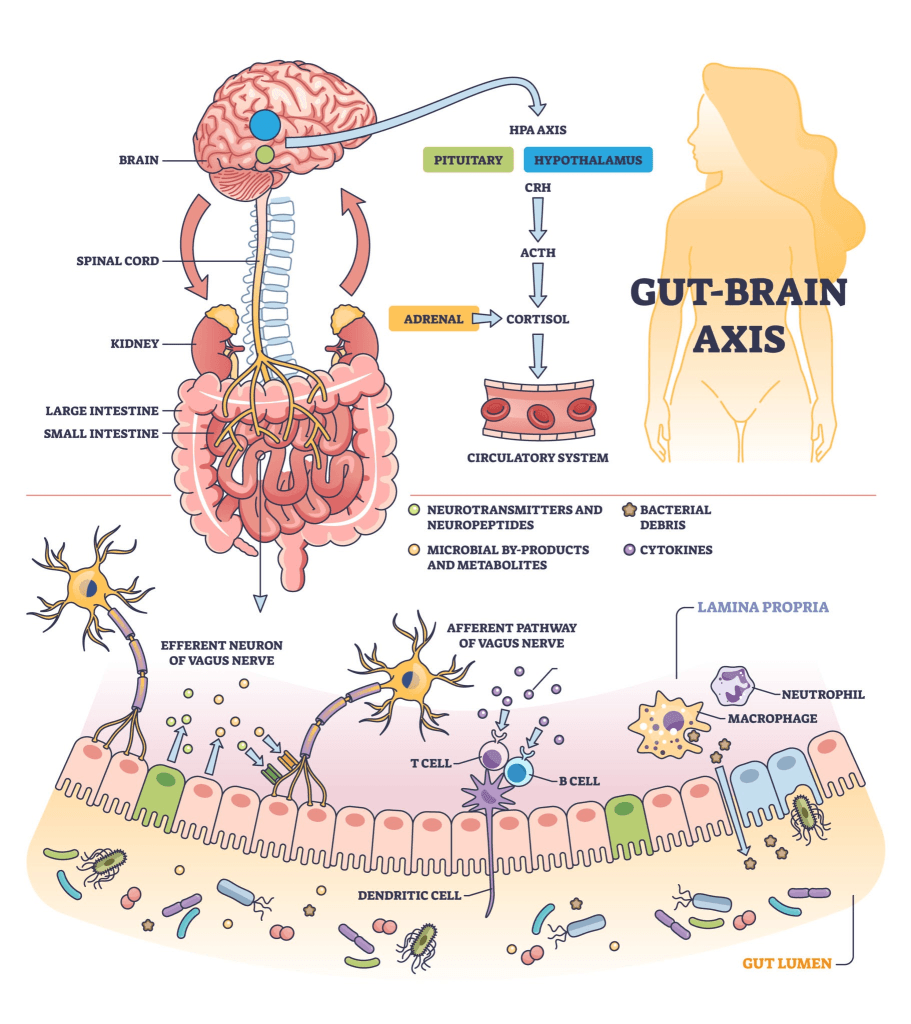
One of the most fascinating topics in health science is the gut-brain connection. Understanding this connection is a vital first step to boosting your daily energy, calming your busy mind, and ultimately achieving a full, restful night’s sleep. The gut-brain connection is a two-way communication highway. This two-way link between your digestive system and your brain influences everything from mood to cognition. The gut is often called the “second brain.” Your gut microbiome, the millions of bacteria living in your gut, plays a crucial role in this connection.
In this comprehensive guide, we’ll dive deep into the science of your microbiome, how your digestive system controls your mood, and what dietary steps you can take to reach a calmer, better-rested version of yourself.
Key Takeaways
- Your Gut is Your “Second Brain”: The gut and brain are in constant, bidirectional communication via the vagus nerve, meaning your digestive health directly dictates your mental state.
- Serotonin Starts in the Stomach: Up to 95% of your body’s serotonin (the neurotransmitter that regulates mood and prevents anxiety) is produced by gut bacteria, not the brain.
- Microbes Control Your Sleep Cycle: A healthy microbiome is essential for producing melatonin (the sleep hormone) and keeping cortisol (the stress hormone) in check, allowing for deep, restorative rest.
- Fuel Your Good Bacteria: To strengthen the gut-brain connection, prioritize prebiotic fibers (like garlic and oats), live probiotics (like kefir and sauerkraut), and inflammation-fighting Omega-3s.
- Cut the Inflammatory Saboteurs: Refined sugars, ultra-processed seed oils, and excessive alcohol actively destroy beneficial bacteria and trigger neuroinflammation, which worsens anxiety and disrupts sleep.
- Healing is a Two-Way Street: Chronic psychological stress can physically damage your digestive tract. Mindful eating and nervous system regulation are just as important as your physical diet.
Uncovering the “Second Brain”: What Exactly is the Gut-Brain Connection?
To understand how your food affects your mood, we need to take a closer look at human anatomy. The gut-brain connection is a highly complex, two-way communication network that connects your central nervous system (your brain and spinal cord) directly to your enteric nervous system (the millions of nerves lining your entire digestive tract).
This enteric nervous system (ENS) consists of more than 500 million neurons. These neurons form a delicate, highly sensitive lining inside your intestines, which controls digestion, from swallowing to enzyme secretion.
At the heart of the gut-brain connection is the vagus nerve. The vagus nerve acts as a vast, fast-moving biological superhighway that runs from your brainstem to your stomach. It sends a constant stream of information from your gut directly to your brain, and vice versa.
In fact, this gut-brain connection controls the production of serotonin, with 90% of it generated in the gut. Serotonin is essential for mood and sleep regulation. When your microbiome is out of balance, it sends distress signals directly to the emotional and cognitive centers of your brain through the gut-brain axis, triggering feelings of discomfort, hypervigilance, and anxiety.
The Microbiome: The Trillions of Microbes Running Your Mood
The gut microbiome is a vast ecosystem of bacteria, viruses, fungi, and other tiny organisms that live primarily in your large intestine. A healthy, diverse microbiome acts as the body’s chemical factory, producing vitamins, breaking down food, and protecting you from pathogens.
These microbiomes are so important to our mental health that they are the main communicators of the gut-brain connection. Specific strains of bacteria that live in your digestive tract actually produce the neurochemicals that your brain uses to regulate your mood and sleep.
According to research published by prestigious institutions like Harvard Medical School, a healthy microbiome thrives on a diverse, nutritious diet. When we lack these nutrients, that chemical production line shuts down.
The Direct Link Between Your Diet, Neurotransmitters, and Anxiety
When we talk about how the gut-brain connection affects your mental health, the conversation almost always turns to neurotransmitters, which are chemical messengers your body uses to send signals. These chemical messengers are:
Serotonin: The Happiness Molecule
You may be surprised to learn that an estimated 90% to 95% of your body’s serotonin, an important “happy chemical” that regulates mood, well-being, and anxiety, is produced in your digestive tract, not your brain. Your gut bacteria take amino acids from your food and convert them into serotonin. This is one of the primary reasons that a poor diet is so strongly linked to symptoms of depression and anxiety.
GABA: The Brakes for Your Brain
Gamma-aminobutyric acid (GABA) is an inhibitory neurotransmitter whose primary function is to slow down your brain by blocking certain signals in your central nervous system. Certain strains of gut bacteria, particularly Lactobacillus and Bifidobacterium, actively produce GABA. When your gut-brain connection is healthy, you have a natural, internal supply of anti-anxiety medication.
The Role of Systemic Inflammation
When you eat foods rich in refined sugar, artificial additives, and highly processed foods, you are essentially feeding your body harmful, pathogenic bacteria. These bad bacteria produce endotoxins that can damage the lining of your gut. This results in increased intestinal permeability, or a condition known as “leaky gut.”
When the gut lining is damaged, toxins and undigested food particles enter your bloodstream, which triggers an aggressive immune response. This systemic inflammation travels up the vagus nerve and crosses the blood-brain barrier, causing neuroinflammation. Neuroinflammation is strongly associated with brain fog, increased stress response, and clinical anxiety.
How Your Gut Microbiome Dictates Your Sleep Quality
Anxiety and poor sleep are the ultimate vicious cycle for the body. The microbiome plays a huge, often overlooked role in breaking this cycle.
The bacteria in your digestive tract actually help regulate your circadian rhythm (your body’s internal 24-hour clock). They do this through several interesting mechanisms:
- Melatonin Production: Melatonin is your body’s primary sleep hormone, which signals your brain that it’s time to stop sleeping. Serotonin is an essential biological component for melatonin. If your gut can’t produce enough serotonin, it will eventually fail to produce enough melatonin. A strong gut-brain connection is essential for deep, restorative sleep.
- Cortisol Control: Cortisol is your primary stress hormone. It should be highest in the morning to wake you up and lowest at night to fall asleep. An inflamed, unhealthy gut constantly experiences physical stress, which prompts your adrenal glands to release cortisol at the wrong times, leading to that wired-and-tired feeling at bedtime.
- Short-Chain Fatty Acids (SCFAs): When your good gut bacteria digest dietary fiber, they produce SCFAs, such as butyrate. Butyrate has profound anti-inflammatory properties, and research shows it promotes non-rapid eye movement (NREM) sleep, the deep, physically restorative sleep stage that leaves you feeling refreshed.
The Nutritional Protocol: Foods to Strengthen the Gut-Brain Connection
Start building a stronger, more resilient gut-brain connection from your next meal. You don’t need to follow a restrictive fad diet; instead, focus on eating a wide variety of foods and adding the right therapeutic foods to your daily routine. Here are the most effective, science-backed nutritional pillars for better sleep and reduced anxiety:
1. Prebiotic Fibers (Food for the Good Guys)
Think of prebiotics as fertilizer for your good bacteria. Humans can’t digest these specific types of plant fibers, but our gut microbes love them. When the microbes ferment the prebiotics, they produce short-chain fatty acids that promote sleep.
- Top sources: Raw garlic, onions, leeks, asparagus, Jerusalem artichokes, dandelion greens, slightly underripe bananas, and whole oats.
- Practical tip: Try adding a handful of oats to your morning smoothie or adding roasted garlic and onions to your evening/lunch meal.
2. Probiotic-Rich Fermented Foods (Adding Reinforcements)
Prebiotics feed the bacteria you already have, while probiotics introduce new, live, beneficial strains of bacteria directly into your digestive tract. Regular consumption of fermented foods has been shown to reduce social anxiety and improve stress resistance.
- Top sources: Plain, unsweetened kefir, traditional kimchi, unpasteurized sauerkraut, plain Greek yogurt, miso, tempeh, and low-sugar kombucha.
- Practical tip: Add a dollop of raw sauerkraut to your salad or enjoy a glass of kefir as a mid-morning snack. Be sure to buy refrigerated fermented foods, as shelf-stable versions are usually pasteurized, which kills the beneficial bacteria.
3.Omega-3 Fatty Acids (The Brain Protectors)
Omega-3s are essential fats that your body can’t produce on its own. They are crucial for the brain and gut-brain connection. They also play an important role in reducing neuroinflammation. Additionally, they help preserve the integrity of the gut lining and support cognitive function.
- Top sources: Wild-caught salmon, sardines, mackerel, chia seeds, flaxseeds, and walnuts.
- Practical tip: Aim to eat at least two servings of fatty fish per week. If you’re plant-based, add two tablespoons of ground flaxseed to your daily oatmeal or yogurt.
4. Polyphenol-Rich Foods (The Antioxidant Powerhouses)
Polyphenols are plant compounds that act as powerful antioxidants in your body. They protect the brain from oxidative stress and promote the growth of beneficial bifidobacteria in the gut.
- Top sources: Blueberries, blackberries, dark chocolate (85% cocoa or higher), green tea, cloves, peppermint, and extra virgin olive oil.
- Practical tip: Drink a cup of high-quality green tea instead of your afternoon coffee and satisfy your sweet tooth with a piece of dark chocolate with fresh berries.
5. Tryptophan-Rich Foods (The Serotonin Builders)
Tryptophan is a specific amino acid used in your gut to make serotonin, which is then converted into melatonin, your sleep-inducing hormone.
- Top sources: Pasture-raised turkey, free-range eggs, pumpkin seeds, spinach, and tart cherries.
- Practical tip: A handful of pumpkin seeds or a glass of tart cherry juice as a small evening snack can provide your body with the raw materials it needs to sleep.
To optimize the gut-brain connection for better rest, you need to feed your microbiome the specific fibers and nutrients it requires to run this complex chemical assembly line efficiently.
Read Next: The Importance of a Balanced Diet: Your Complete Guide to Optimal Health
The Dietary Saboteurs: What to Avoid for Gut-Brain Harmony
While some foods are good for the gut-brain connection, others can be extremely disruptive and harmful to it. To protect your mental health, stabilize your mood, and maintain your sleep hygiene, try reducing your intake of the following foods:
- Refined sugar and high-fructose corn syrup: Sugar actively feeds pathogens, anxiety-inducing bacteria, and yeast in the gut, which quickly throws the microbiome out of balance.
- Artificial sweeteners: Studies have shown that zero-calorie sweeteners, such as aspartame and sucralose, can alter the composition of the gut microbiome and negatively impact glucose tolerance.
- Ultra-processed foods and seed oils: Foods made with highly refined industrial seed oils (like soybean or canola oil) are rich in omega-6 fatty acids, which, when consumed in excess, increase systemic inflammation that damages the delicate lining of your gut.
- Excessive alcohol: Alcohol acts as a solvent, causing inflammation in the stomach lining and destroying large populations of beneficial bacteria. It also severely disrupts REM sleep, leading to morning anxiety (often known as “hangxiety”).
Lifestyle Factors That Support the Gut-Brain Axis
While diet is the foundation, your lifestyle habits also play a key role in maintaining this delicate biological balance. Remember, the gut-brain connection goes both ways. Just as a bad diet causes anxiety, chronic stress can wreak physical havoc on your gut.
- Prioritize chewing: The digestive process begins in the mouth, not the stomach. Chewing your food thoroughly (aiming for 20-30 times per bite) mixes saliva with enzymes and significantly reduces the digestive burden on your gut.
- Manage stress: Engaging in nervous system control techniques like deep diaphragmatic breathing, yoga, or vagus nerve stimulation (such as humming or splashing cold water in your mouth) can send signals down the vagus nerve, improving blood flow to the digestive tract.
- Mindful eating: Eating while scrolling on your phone or rushing through traffic puts your nervous system in “fight or flight” mode, which actively shuts down digestion. Try to eat your meals in a comfortable, seated environment.
Frequently Asked Questions (FAQs)
1. How long does it take for the gut-brain connection to heal?
A: While everyone’s microbiome is different, studies have shown that your gut bacteria can begin to change within just 24 to 72 hours of changing your diet.
2. Can probiotics really cure my anxiety?
A: Probiotics are not a magic cure, but they are a powerful tool for managing mental health. Certain strains of bacteria, often called “psychobiotics” (such as Lactobacillus rhamnosus and Bifidobacterium longum), have been clinically proven to reduce cortisol levels and reduce symptoms of stress.
3. What’s the fastest way to improve gut health for better sleep?
A: The fastest way to support your microbiome for a good night’s rest is to cut out the saboteurs while adding reinforcement. Cut out alcohol and refined sugar before bed. Instead, incorporate fermented foods (like plain kefir or sauerkraut) and prebiotic fiber (like oats or asparagus) into your daily routine to boost your body’s natural melatonin production.
4. Does “leaky gut” cause insomnia?
A: Yes, it can. When your gut lining is damaged (leaky gut), toxins enter your bloodstream, which increases your immune system and causes systemic inflammation.
5. Can fasting improve the gut-brain connection?
A: Intermittent fasting can be extremely beneficial for the gut-brain axis when done correctly. Giving your digestive system a break can activate the migrating motor complex (MMC), which flushes out leftover food and bacteria, preventing bacterial overgrowth.
The Bottom Line on Holistic Healing
Prioritizing your gut-brain connection is one of the most powerful and fundamental steps you can take for your overall well-being. By shifting your daily focus to a whole food, anti-inflammatory diet rich in prebiotic fiber, live probiotics, and healthy fats, you’re doing more than just eating better. You’re fundamentally changing your biology. You’re giving your body the right tools, nutrients, and raw materials it needs to naturally reduce anxiety, regulate your nervous system, and ultimately achieve the deep, restorative sleep you deserve.
Your mental well-being truly begins in your gut.




6 Responses
https://shorturl.fm/sYQzo
Thank u for your comment
https://shorturl.fm/32HuD
Thank you for your comment