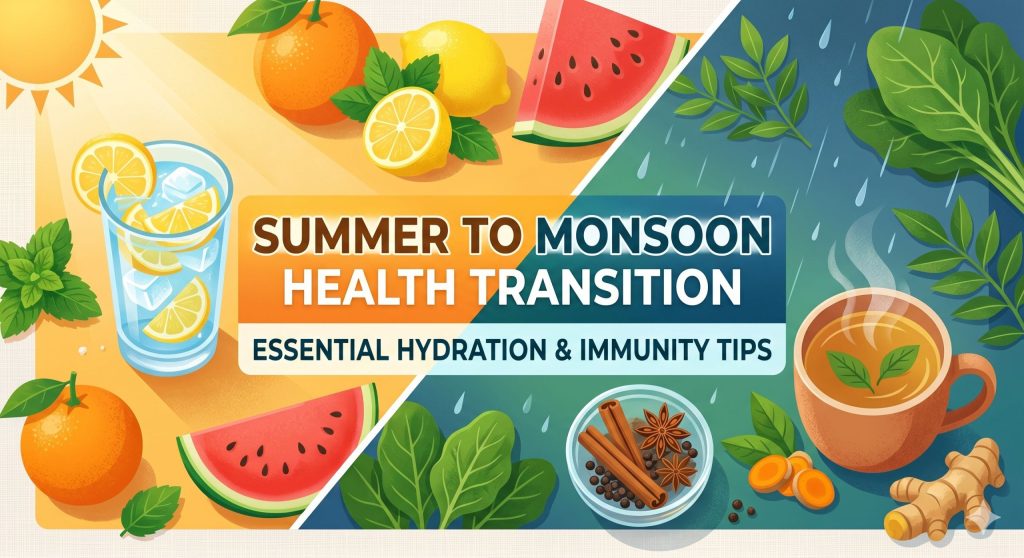
While the transition from the scorching heat of summer to the humid, rainy days of the monsoon may be a relief for the world, it can be an uncomfortable time for your body. With fluctuating temperatures and rising humidity, our internal systems—especially our digestive and immune systems—must adapt quickly. To cope with this seasonal change, we need to adjust our eating, drinking, and lifestyle habits.
In this detailed guide, we will delve into the physiological changes your body undergoes during this time. More importantly, we will highlight effective monsoon diet tips to help you strengthen your immune system, stay hydrated, and keep your gut microbiome healthy despite the damp, germ-friendly weather outside.
Key Takeaways
Drink Warm Liquids: Swap cold water for warm, boiled water and herbal teas (like ginger or tulsi) to aid digestion and maintain hydration.
Cook All Vegetables: Avoid raw salads to prevent bacterial contamination; stick to thoroughly steamed or roasted vegetables.
Use Immunity Spices: Incorporate turmeric, garlic, and cumin into daily meals to proactively fight seasonal infections.
Swap Yogurt for Buttermilk: Choose light, spiced buttermilk (chaas) over heavy yogurt to prevent mucus buildup while supporting gut health.
Skip High-Risk Foods: Avoid street food, deep-fried snacks, and seafood, as they are highly susceptible to contamination during the rains.
Keep Moving: Combat sluggish monsoon metabolism by maintaining an indoor exercise or yoga routine.
Understanding the Summer to Monsoon Health Shift
To optimize your summer-to-monsoon health, you first need to understand what happens inside your body during the change of seasons. During the scorching heat of summer, our body naturally dilates blood vessels to release heat, and our digestive system remains relatively stable, although it sometimes gets suppressed in the extreme heat. To cope with the outside temperature, we are drawn to cold foods, raw salads, and iced drinks.
However, as soon as the monsoon arrives, the environment becomes a breeding ground for bacteria, viruses, and fungi due to the high humidity in the air. This sudden change affects your body in three main ways:
Sluggish Digestion: A sudden drop in temperature and high humidity lowers your basal metabolic rate. Your digestive system slows down, making it much harder to digest heavy, raw, or cold foods.
Dehydration in Disguise: Since your body doesn’t sweat as visibly or feel the intense summer heat as before, your ability to quench your thirst decreases. You drink less water, which leads to hidden dehydration and weakens your mucosal immunity (the body’s first line of defense in the respiratory and digestive tracts).
Immune System Vulnerability: The proliferation of water-borne and airborne germs in the environment forces your immune system to work overtime. It is easily overwhelmed by the lack of proper nutrition, leading to common monsoon diseases like colds, the flu, typhoid, and gastroenteritis.
Core Hydration Strategies: More Than Just Water
When discussing summer-to-monsoon health, hydration is often one of the most misunderstood topics. In summer, the main focus is on water intake, but as the weather cools down, your thirst will inevitably decrease. Your body cells still need adequate water to flush out toxins and keep your immune system functioning. Here are some of the most important hydration-focused monsoon diet tips:
- Ditch the Chilled Water: One of the most important tips for a monsoon diet is to stop drinking refrigerated or ice-cold water. Cold water constricts your blood vessels and slows your already sluggish digestive system. Instead, drink room-temperature or, best of all, lukewarm water. Warm water acts as a gentle vasodilator, dilating the blood vessels in your intestines, aiding digestion, and helping slowly flush out metabolic waste.
- Purify and Boil: Waterborne diseases like cholera, typhoid, and dysentery peak during the monsoon season. Even if you have a reliable water purifier at home, one of the best health practices from summer to monsoon is to boil your drinking water. Boiling water for at least one minute (or three minutes on high) effectively kills disease-causing bacteria, viruses, and protozoa. Store this boiled water in a clean copper or glass container.
- Hydrate with Herbal Infusions: Since plain warm water can get boring, you can maintain your body’s hydration levels by drinking herbal teas and infusions. They simultaneously hydrate the body and boost immunity. A powerful health drink can be made by boiling a thumb-sized piece of crushed ginger, a teaspoon of cumin seeds, and a few basil leaves in a liter of water. Drink this mixture throughout the day.
According to the CDC’s guidelines on water and healthier drinks, staying adequately hydrated is essential for your body to regulate temperature, keep joints lubricated, and prevent infections—making these hydration strategies non-negotiable for your seasonal transition.
Immunity Building Blocks: Fortifying the Fort
It is very important to build a strong immune system against the numerous germs that thrive in the monsoon weather. A successful hygiene regimen from summer to monsoon season largely depends on strengthening your gut, as about 70% to 80% of your immune cells reside in your digestive tract. If your gut becomes weak due to unhealthy eating habits or slow digestion, your immune system will inevitably collapse.
Here are some basic monsoon diet tips to build a strong immune system:
Prioritize Spices as Medicine
Spices don’t just enhance the flavor of food; they are powerful biochemical compounds that can greatly improve your summer-to-monsoon health.
Turmeric: Contains curcumin, a powerful anti-inflammatory and antioxidant. To maximize its absorption, always consume turmeric with a pinch of black pepper and a healthy fat (like ghee or coconut oil). A cup of warm turmeric milk before bed is a classic and highly effective remedy to keep respiratory infections at bay.
Garlic: Known as nature’s antibiotic. Crushing a clove of raw garlic and leaving it for 10 minutes before eating releases a compound called allicin, which has profound antibacterial and antiviral properties.
Ginger: Essential during monsoons to stimulate sluggish digestion. It helps empty the stomach and reduces the fermentation of food in the intestines, which often causes flatulence during the rains.
Support the Gut Microbiome
Humid weather slows down the digestion process, which can cause undigested food to ferment in the gut, throwing off the balance of your microbiome. One of the most effective dietary tips during the monsoon is to consume a reliable source of probiotics, but there is one thing to keep in mind. While yogurt is an excellent probiotic, it is considered cold and heavy, which can increase mucus production in some people during the monsoon. Instead, opt for buttermilk (chaas) made with roasted cumin seeds, black salt, and a pinch of asafoetida. The churning process breaks down heavy fats, making the buttermilk much lighter and easier to digest, while also providing a good amount of beneficial bacteria.
The Ultimate Monsoon Diet Tips: What to Eat
Adapting your plate is the most direct way to master your summer-to-monsoon health. While seasonal adjustments are vital right now, they are most effective when built on a solid nutritional foundation—which you can master by reading The Importance of a Balanced Diet: Your Complete Guide to Optimal Health. The golden rule of the rainy season is to eat foods that are light, warm, freshly cooked, and easy to digest.
1. Embrace Seasonal Fruits
Jamun (Black Plum): Being extremely rich in vitamin C and iron, jamun is excellent for purifying the blood and controlling blood sugar levels, which can fluctuate with changes in diet.
Cherries and Peaches: Packed with antioxidants like anthocyanins, these fruits help reduce cell inflammation and fight free radicals.
Apples and Pomegranates: These fruits provide a healthy amount of soluble fiber without putting too much strain on the digestive system.
2. Switch to Lighter Grains
To keep your health at its best during the transition, it is important to make a change in your grain diet. Heavy grains can make you feel sluggish. Reduce your intake of heavy, refined wheat and opt for light, nutrient-rich grains like barley, oats, quinoa, and amaranth. These grains provide sustained energy, are easy to digest for a sluggish digestive system, and are rich in dietary fiber that helps cleanse the digestive tract.
3. Eat Only Cooked Vegetables
During the summer, raw salads are a staple food for many. However, one of the most important monsoon diet tips is to avoid raw vegetables altogether. Raw leaves and vegetables can harbor invisible worms, larvae, and bacteria, which breed in damp soil and are not easily washed clean. Instead, make sure that all your vegetables are steamed, lightly fried, or roasted. It is also advisable to eat bitter vegetables. Bitter gourd (karela), bottle gourd, and pointed gourd are naturally light, easily digestible, and have natural antiseptic properties that purify the liver and blood.
4. Incorporate Healthy Fats
While heavy and deep-fried foods should be avoided, healthy fats are essential to keep your joints lubricated and provide a steady source of energy. Cold-pressed sesame oil, mustard oil, and clarified butter (ghee) are excellent choices. Ghee, in particular, contains butyric acid, which directly nourishes the cells inside your intestines, improving your overall digestion and summer-to-monsoon health.
Monsoon Diet Tips: What to Strictly Avoid
Knowing what to leave off your plate is just as important as knowing what to put on it. Many common dietary habits, if ignored, can seriously harm your health during the rainy season.
| Food Category | Why You Should Avoid It During the Monsoon | Healthier Alternative |
|---|---|---|
| Street Food | High risk of waterborne diseases; ingredients are often exposed to contaminated air and water. | Homemade roasted snacks, warm soups, or baked sweet potato wedges. |
| Raw Leafy Greens | Spinach, cabbage, and lettuce easily trap moisture, mud, and pathogens. Difficult to sanitize completely. | Opt for cooked gourds, steamed broccoli, or sautéed green beans. |
| Deep-Fried Foods | Humid air slows digestion; heavy oils cause extreme bloating, acid reflux, and lethargy. | Air-fried snacks, roasted nuts, or lightly pan-seared dishes. |
| Excessive Dairy | Can increase mucus production and congestion, exacerbating monsoon colds and sinus issues. | Spiced buttermilk, almond milk, or adding ginger/turmeric to warm milk. |
| Seafood | The monsoon is the breeding season for fish, and water contamination is at its peak, increasing the risk of food poisoning. | Lean chicken, eggs, or plant-based proteins like moong dal and lentils. |
An often-ignored piece of advice for a monsoon diet is to avoid seafood. During the monsoon, rivers and oceans become turbulent and severely polluted with rainwater runoff, dramatically increasing the risk of consuming contaminated fish. Opt for easily digestible proteins like well-cooked pulses, eggs, and lean meats instead.
Beyond the Plate: Lifestyle and Hygiene Routines
While following these monsoon diet tips is the foundation of your seasonal change, diet alone is not enough. To fully protect your summer-to-monsoon health, you must practice certain lifestyle and hygiene habits that will complement your nutritional efforts.
1. Master Your Sleep Hygiene
Lack of sunlight during the monsoon can disrupt your circadian rhythm or body clock, resulting in a decrease in the production of serotonin (the mood-boosting hormone) and melatonin (the sleep hormone). Make sure you get 7 to 8 hours of good quality sleep every night. It is during sleep that your body produces cytokines, which are a type of protein that fight infection and inflammation.
2. Keep Moving, Even Indoors
Rain often disrupts outdoor exercise routines, leading to a sedentary lifestyle and slowing down your metabolism and digestion. You must find ways to stay active indoors. Yoga is especially beneficial for health during this time, as certain asanas (such as bodily twists and forward bends) actively massage the internal organs and stimulate the digestive system. Even 20 to 30 minutes of indoor skipping, bodyweight exercises, or a brisk walk around the house can help your lymphatic system drain properly.
3. Foot Care and Mosquito Prevention
Fungal infections of the feet (such as athlete’s foot) are common during the monsoon season. Wash your feet thoroughly with antibacterial soap as soon as you enter the house. Dry your feet completely, especially between the toes. Additionally, standing water is a breeding ground for mosquitoes that carry dengue and malaria. Make sure there is no standing water around your home, use a mosquito repellent spray containing DEET or natural alternatives like lemon eucalyptus oil, and wear light-colored, long-sleeved clothing.
Frequently Asked Questions (FAQ)
1. Why do I feel so bloated and sluggish during the monsoon?
Answer: The sudden drop in temperature and high humidity lower your basal metabolic rate and weaken your digestive power (agni). When the digestive process slows down, food can ferment in the intestines, causing gas and bloating.
2. Is eating salads during the monsoon really that bad?
Answer: Yes. Raw leafy greens like spinach, cabbage, and lettuce easily trap moisture, mud, and invisible germs (like worms and larvae), which thrive in damp soil. It is extremely difficult to completely sterilize them. Instead, opt for cooked gourds and steamed vegetables to maintain your summer-to-monsoon health.
3. What are the best fruits to eat during the monsoon?
Answer: Avoid watery summer fruits like watermelon, which can cause water retention in the body. Instead, eat seasonal fruits rich in antioxidants and vitamin C, such as jamun (black plum), cherries, peaches, apples, and pomegranates.
4. Do I need to boil water even if I have an RO purifier at home?
Answer: Yes, it is highly recommended. Boiling your filtered water for at least a minute acts as an essential safety measure to kill any remaining disease-causing bacteria or viruses that peak during the rainy season.
5. Why should I avoid eating fish and seafood during the monsoon?
Answer: The monsoon season is the natural breeding season for most fish, which can affect their quality and taste. More importantly, consuming seafood during this time significantly increases your risk of food poisoning and waterborne infections due to polluted water runoff. Instead, opt for plant-based proteins, eggs, or lean poultry.