
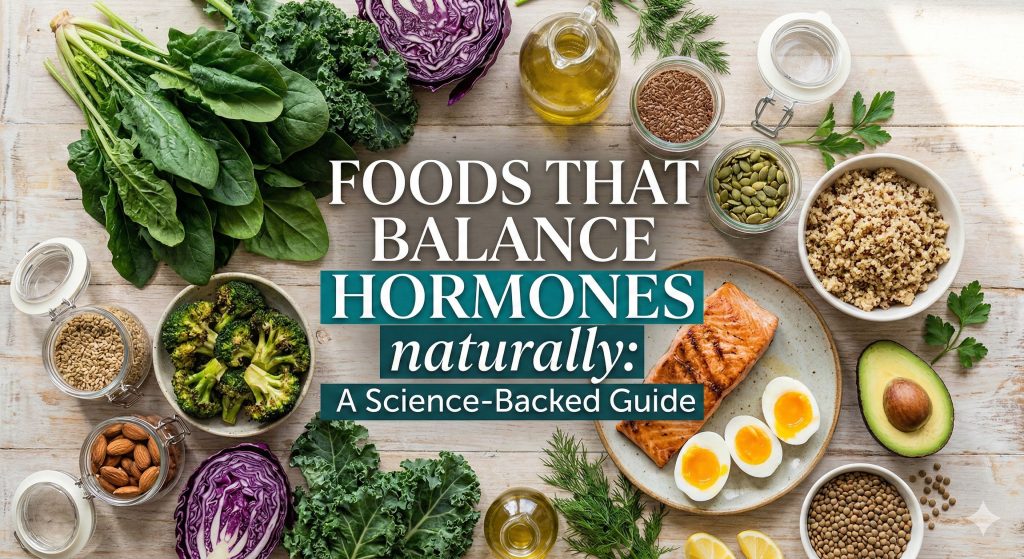
Feeling constantly fatigued, struggling with unexplained weight changes, or dealing with frustrating mood swings? The culprit might be your endocrine system. While our modern, fast-paced lifestyles, chronic stress, and environmental toxins can easily throw these vital chemical messengers off track, incorporating specific foods that balance hormones into your daily meals is one of the most effective, sustainable strategies for getting your body back in sync.
Hormones dictate everything from your baseline metabolism and daily mood to sleep cycles, digestion, fertility, and body weight. When your hormones are in harmony, the body functions efficiently and effortlessly. Thankfully, hormonal health can be managed and restored naturally through a targeted diet. Real, whole food contains the essential macronutrients, micronutrients, antioxidants, and bioactive compounds.
This comprehensive guide explores the absolute best foods that balance hormones, explains the deep nutritional science behind how they interact with your cells, and shows you how to easily incorporate them into your daily routine for long-term health benefits.
Key Takeaways
Hormones are the chemical directors of your metabolism, mood, sleep, fertility, and weight management.
Diet plays a primary, foundational role in endocrine health; eating nutrient-dense foods that balance hormones naturally reduces systemic inflammation and supports optimal bodily functions.
Fatty fish, eggs, leafy greens, and cruciferous vegetables supply the specific fatty acids and micronutrients needed for thyroid, estrogen, and insulin balance.
Nuts, seeds, whole grains, legumes, and avocados provide complex carbohydrates and healthy fats that stabilize blood sugar and buffer stress hormones.
Limiting refined sugar, highly processed foods, excess caffeine, and alcohol is just as important for improving hormone stability as eating the right foods.
Why Hormonal Balance Is Important
Before diving into the specific dietary recommendations, it helps to understand what hormones actually do and why they rely so heavily on the food you eat. The endocrine system does not create hormones out of thin air; it requires specific raw materials—derived from the breakdown of carbohydrates, proteins, and dietary fats—to synthesize these chemicals.
When your endocrine system is fueled properly and working in perfect balance, it:
Maintains stable energy levels and regulates your basal metabolic rate (primarily via thyroid hormones like T3 and T4).
Controls appetite and blood sugar levels (via insulin and glucagon).
Supports reproductive health and regulates the menstrual cycle, muscle mass, and libido (via estrogen, progesterone, and testosterone).
Regulates your physiological stress response (via cortisol and adrenaline).
Stabilizes mood, attention spans, and nighttime sleep quality (via melatonin and serotonin).
Maintains structural integrity in the heart, bones, skin, and hair.
When you consume foods that balance hormones, your digestive system breaks them down into their basic components: proteins become amino acids (the building blocks of peptide hormones like insulin), and dietary fats break down into fatty acids and glycerol (the foundation for steroid hormones like estrogen and testosterone). Without these critical macronutrients, the endocrine system simply cannot function.
Here is a detailed breakdown of the best foods that balance hormones, the exact science behind why they help, and how to effortlessly enjoy them in your daily meals.
1. Fatty Fish (Salmon, Sardines, Mackerel)
Key Nutrients: Omega-3 fatty acids (EPA & DHA), Vitamin D, Selenium, High-quality protein.
Why They Help: Fatty fish are universally recognized as some of the most powerful foods that balance hormones, primarily because they are incredibly rich in omega-3 fatty acids. Fats are the literal structural building blocks of cell membranes and steroid hormones. When you consume dietary fats, they are broken down into fatty acids and a glycerol backbone. According to NIH, Omega-3s specifically reduce chronic, systemic inflammation, a major driver of hormonal disorders like Polycystic Ovary Syndrome (PCOS), thyroid imbalance, and severe insulin resistance.
Furthermore, sardines and mackerel provide high doses of iodine and selenium, two trace minerals that are essential for the proper production and metabolic conversion of thyroid hormones.
How to include fatty fish in your diet: Aim to eat fatty fish grilled, baked, or broiled 2 to 3 times a week. You can also flake canned sardines or wild-caught salmon over a large leafy salad or stir it into a warm vegetable curry for a nutrient-dense lunch.
2. Leafy Green Vegetables (Spinach, Kale, Swiss Chard)
Key Nutrients: Magnesium, Folate, Vitamin K, Insoluble Fiber.
Why They Help: Leafy greens are essential foods that balance hormones because they act as the body’s natural internal sweepers. They are rich in chlorophyll and dietary fiber, which physically help the liver process, bind to, and detoxify excess estrogen from the digestive tract before it can be reabsorbed into the bloodstream.
Spinach and Swiss chard also provide heavy, highly bioavailable doses of magnesium. Magnesium is a critical macromineral that actively helps regulate cortisol (the primary stress hormone). Lowering elevated cortisol levels improves sleep quality, prevents stress-induced weight gain, and reduces PMS-related cramping. Furthermore, the high fiber content in these vegetables stabilizes blood sugar by dramatically slowing the absorption of glucose into the bloodstream, preventing the insulin spikes that disrupt ovarian function.
How to include leafy greens in your diet: Add a large handful of fresh spinach or kale to your morning protein smoothies, hearty soups, or breakfast omelets. Steam or lightly sauté mixed greens with extra virgin olive oil and crushed garlic as a daily.
3. Cruciferous Vegetables (Broccoli, Cauliflower, Cabbage, Brussels Sprouts)
Key Nutrients: Sulforaphane, Indole-3-carbinol (I3C), Dietary Fiber, Vitamin C, Folate.
Why They Help: Broccoli, cauliflower, cabbage, and Brussels sprouts contain highly unique, sulfur-containing compounds like indole-3-carbinol (I3C) and sulforaphane. Extensive clinical research shows these specific phytochemicals help the liver efficiently break down excess estrogen into safer, weaker metabolic forms.
This specific detoxification pathway makes cruciferous veggies some of the most effective foods that balance hormones for individuals dealing with symptoms of estrogen dominance, such as heavy PMS, fibroids, cystic acne, or PCOS. Additionally, they provide a massive dose of antioxidants that protect the sensitive glands of the endocrine system from cellular oxidative stress.
How to include cruciferous vegetables in your diet: Lightly steam broccoli or cauliflower and use them as a staple side dish. Shred purple cabbage into colorful stir-fries, hearty winter soups, or fresh, crunchy summer slaws.
4. Eggs (Especially the Pasture-Raised Yolk)
Key Nutrients: Dietary Cholesterol, Choline, Vitamin D, Selenium, Complete B-Vitamin Complex.
Why They Help: For decades, many people mistakenly avoided the egg yolk, but it actually contains natural dietary cholesterol. While the word “cholesterol” often carries a negative connotation, it is actually a vital lipid precursor required for synthesizing all steroid hormones in the human body, including estrogen, progesterone, testosterone, and cortisol. Without adequate healthy cholesterol, your body cannot manufacture these essential messengers.
Eggs are also one of the absolute best natural sources of choline, a micronutrient that aids in liver health and estrogen detoxification pathways. With their complete amino acid profile, eggs are foundational foods that balance hormones.
How to include eggs in your diet: Enjoy boiled, poached, or gently scrambled eggs for breakfast alongside fiber-rich vegetables and healthy fats like avocado. You can also slice a hard-boiled egg into your lunchtime salad.
5. Nuts and Seeds (Flaxseeds, Pumpkin Seeds, Almonds, Walnuts)
Key Nutrients: Lignans, Zinc, Magnesium, Monounsaturated Fats, Soluble Fiber.
Why They Help: Various seeds act as highly targeted, therapeutic foods that balance hormones. For example, ground flaxseeds are densely packed with lignans. Lignans are specialized plant compounds known as phytoestrogens that help balance naturally occurring estrogen levels in the human body. They can mimic estrogen when levels are too low, or block estrogen receptors when levels are excessively high, making them incredibly helpful for PMS and difficult menopausal symptoms.
Pumpkin seeds, on the other hand, are an excellent whole-food source of zinc. Zinc is a trace mineral essential for robust testosterone production, healthy ovulation, follicle maturation, and overall reproductive function in both men and women.
How to include nuts and seeds in your diet: Always consume flaxseed ground, rather than whole, to ensure nutrient absorption, and add it to smoothies or Greek yogurt. Snack on lightly roasted pumpkin seeds or raw almonds, or generously sprinkle a diverse mixed seed blend over your morning oatmeal.
6. Whole Grains (Oats, Brown Rice, Quinoa, Buckwheat)
Key Nutrients: Complex Carbohydrates, Soluble and Insoluble Fiber, B Vitamins, Magnesium, Plant-Based Protein.
Why They Help: Unlike refined, heavily processed carbohydrates (such as white bread, traditional pasta, and sugary pastries) that violently spike blood sugar, complex carbohydrates are crucial foods that balance hormones.
This fiber drastically slows down the digestive process and the subsequent absorption of glucose into the bloodstream. This slow, steady release of energy prevents the sharp, reactive insulin spikes that can heavily disrupt the delicate balance of estrogen and testosterone. Additionally, whole grains act as powerful prebiotics, feeding the beneficial bacteria in your gut microbiome, which plays a surprisingly major role in overall hormone regulation and immune function.
How to include whole grains in your diet: Use brown rice or protein-packed quinoa instead of white rice at dinner, and consistently choose hearty rolled oats over sugary, boxed breakfast cereals.
7. Legumes (Lentils, Chickpeas, Black Beans, Mung Beans)
Key Nutrients: Dietary Fiber, Plant-Based Protein, Iron, Folate, Potassium.
Why They Help: Legumes are fantastic, cost-effective foods that balance hormones because they offer a powerful, synergistic combination of low-glycemic complex carbohydrates and high-quality plant-based protein. When we consume dietary protein, it is meticulously broken down into individual amino acids. These specific amino acids are directly required for peptide hormone synthesis and vital enzymatic activity throughout the body.
Furthermore, the exceptionally high fiber content found in beans and lentils physically binds to metabolized, excess estrogen in the digestive tract, ensuring it is safely eliminated through bowel movements rather than being reabsorbed into the system to cause hormonal chaos.
How to include legumes in your diet: Stir earthy lentils into hearty winter soups, thick stews, or robust curries. Toss rinsed chickpeas into fresh salads, blend them with olive oil into homemade hummus, or roast them with spices for a crunchy.
8. Avocados
Key Nutrients: Monounsaturated Fatty Acids, Dietary Fiber, Potassium, Vitamin B6, Vitamin E, Magnesium.
Why They Help: Avocados are arguably one of the most delicious, versatile, and potent foods that balance hormones. They are uniquely rich in monounsaturated fats. Avocado has vitamins A, D, E, and K, which are fat-soluble; consuming the healthy fats found in avocados dramatically increases your digestive system’s ability to actually absorb these critical micronutrients from other foods, ensuring your endocrine system has the tools it needs to thrive.
How to include avocados in your diet: Add generously sliced avocado to your daily salads, blend half of a ripe avocado into a protein smoothie for incredible creaminess, or mash it onto a piece of whole-grain toast with a pinch of sea salt and red pepper flakes.
Foods to Limit for Hormonal Balance
While proactively adding these nutritious, whole foods to your daily plate is the foundation of health, limiting certain disruptive items is just as critically important. To protect your sensitive endocrine system from chemical interference, make a conscious effort to minimize:
Refined sugar and high-fructose corn syrup: These cause rapid insulin spikes, leading to insulin resistance and a cascade of ovarian and metabolic dysfunctions.
Refined carbohydrates: White flour, white rice, and traditional pasta act identically to sugar in the bloodstream, lacking the fiber needed to slow digestion.
Highly processed foods: These often contain chemical preservatives and emulsifiers that severely disrupt the gut microbiome, which is essential for hormone metabolism.
Trans fats and hydrogenated oils: Found in fried foods and commercial baked goods, these artificial fats physically alter cell membrane receptors, preventing hormones from communicating with your cells.
Excess caffeine and heavy alcohol consumption: High caffeine intake can chronically elevate cortisol levels, while alcohol severely impairs the liver’s ability to detoxify used estrogen.
Lifestyle Tips to Support Hormonal Balance
A perfect diet is only one piece of the complex endocrine puzzle. You must support your new, healthy eating habits with these non-negotiable lifestyle foundations to see true results:
Prioritize deep, restorative sleep: Aim for 7 to 9 hours of uninterrupted sleep nightly. This is the precise time when your body physically repairs itself and allows master hormones like cortisol, human growth hormone, and melatonin to properly reset.
Manage psychological stress: Chronic stress keeps cortisol perpetually elevated, which steals the raw materials needed to make reproductive hormones. Incorporate gentle yoga, deep breathing meditation, or daily walks in nature.
Exercise smartly, not exhaustively: Stay physically active throughout the day to improve insulin sensitivity, but avoid chronic overtraining (like back-to-back intense HIIT sessions), which can actually spike cortisol and suppress thyroid function.
Frequently Asked Questions (FAQ)
1. Can changing my diet and eating real food really balance my hormones?
Ans: Yes, absolutely. Choosing the right foods that balance hormones provides your body with the exact physiological building blocks (amino acids and fatty acids) required for hormone production.
2. How long does it typically take to naturally balance hormones using food?
Ans: Because cellular turnover takes time, patience is key. Most individuals begin to notice subtle improvements in their daily energy levels, digestive regularity, and mood stability within 3 to 6 weeks. However, it generally takes 2 to 3 full menstrual cycles (or about 3 months) of highly consistent, balanced eating and proper sleep to achieve complete, lasting hormone regulation .
3. Are these specific dietary recommendations helpful for managing PCOS and PMS?
Ans: Yes. Foods that are rich in dietary fiber, anti-inflammatory omega-3 fatty acids, and cellular antioxidants are highly effective at regulating insulin and clearing excess estrogen. Because insulin resistance and estrogen dominance are the primary biochemical drivers behind the vast majority of PCOS and severe PMS symptoms, this dietary approach is a frontline defense.
4. Are all dairy products universally bad for hormonal health?
Ans: Not necessarily. High-quality, fermented, and unsweetened dairy products—like organic plain Greek yogurt or traditional kefir—are rich in probiotics and can strongly support gut health. However, highly processed, conventionally raised, or heavily sweetened dairy products can indeed trigger inflammation, spike insulin, and disrupt hormone balance.
5. Do men need to worry about eating hormone-balancing foods, too?
Ans: Absolutely. While hormone discussions often center on women, maintaining a healthy, optimized balance of testosterone, insulin, and cortisol is just as crucial for men. Proper nutrition dictates a man’s physical strength, ability to maintain lean muscle mass, and overall metabolic health as he ages.


2 Responses
https://shorturl.fm/KCaMA
Thank you for your comment